
Understanding Knee Pain and Arthritis
December 8, 2025
1. The Anatomy of Knee Pain: Why Does It Hurt?
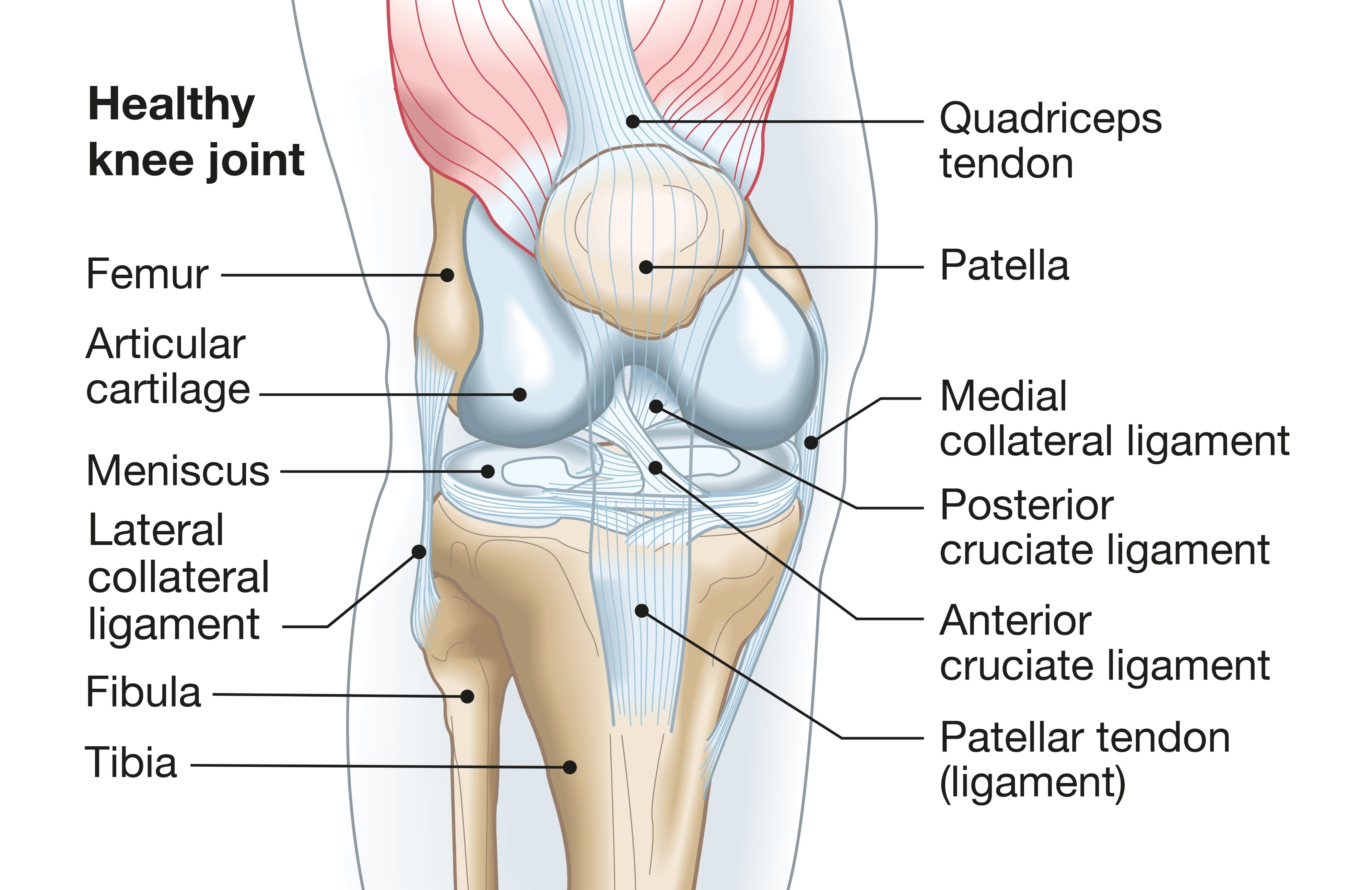
The knee is a complex, weight-bearing hinge joint designed for stability and motion. Pain arises when any of its critical components are compromised:
Bones: The femur (thigh bone), tibia (shin bone), and patella (kneecap).
Cartilage: The smooth, white tissue that covers the ends of the bones, allowing them to glide friction-free.
Ligaments: Tough bands that connect bones and provide stability (like the ACL and PCL).
Tendons: Connect the muscles to the bones, enabling movement.
Chronic pain often signals a deterioration of the cartilage or persistent inflammation, with arthritis being the most frequent culprit.
2. Deep Dive: What is Arthritis and How Does It Affect the Knee?
Arthritis is an inflammation of one or more joints. While over 100 different types exist, the following two are the most relevant to chronic knee pain:
A. Osteoarthritis (OA) – The "Wear-and-Tear" Disease
The Mechanism: This is the most common form. It occurs when the protective cartilage gradually wears away over time. As the cartilage thins, the cushioning effect is lost, leading to bone-on-bone friction, pain, and limited movement.
Symptoms: Pain that is worse during or after activity, stiffness in the morning or after rest, and a grinding or clicking sensation known as crepitus.
B. Rheumatoid Arthritis (RA) – The Autoimmune Factor
The Mechanism: RA is an autoimmune disorder where the body's immune system mistakenly attacks the lining of the joint (the synovium). This causes chronic inflammation, which can eventually damage the cartilage and bone.
Key Difference: Unlike OA, RA usually affects the same joint on both sides of the body and can cause overall fatigue.
3. Diagnosing Your Pain: When to See Dr. Sadawy
Don't wait until the pain becomes unbearable. Early diagnosis is crucial for slowing the progression of arthritis and managing pain effectively.
When you come in for a consultation, you can expect:
Medical History: A detailed discussion about your symptoms, when the pain started, and what activities make it better or worse.
Physical Examination: I will assess the range of motion, stability, and tenderness of your knee.
Imaging: X-rays are the standard tool to visualize the bone structure and measure the loss of joint space, which is a key indicator of arthritis severity. In some cases, an MRI may be ordered to view soft tissues.
The Sadawy Philosophy: My goal is always to pursue the least invasive, most effective solution first. We prioritize pain relief and restoring mobility using conservative methods whenever possible.
4. Treatment Options: A Comprehensive Plan
Whether your pain is mild or severe, there is a personalized treatment pathway available.
A. Conservative (Non-Surgical) Management
For many patients, especially in the early stages of arthritis, these steps can offer significant relief:
Lifestyle Adjustments: Losing even a small amount of weight can dramatically reduce stress on the knee. We also focus on low-impact exercises like swimming or cycling.
Physical Therapy (PT): A tailored PT program strengthens the muscles around the knee—particularly the quadriceps and hamstrings—to enhance joint stability and support.
Medication: Use of anti-inflammatory medications (NSAIDs) to control pain and swelling.
Targeted Injections:
Corticosteroid Injections: Powerful anti-inflammatory relief, often lasting several months.
Viscosupplementation: Injections of hyaluronic acid to replenish the lubricating fluid in the joint.
B. Advanced (Surgical) Interventions
Surgery is reserved for cases where conservative treatments no longer provide adequate relief and the arthritis significantly limits daily life.
Arthroscopy: A minimally invasive procedure used to clean up the joint, remove damaged meniscus tissue, or trim frayed cartilage.
Partial Knee Replacement (Unicompartmental Arthroplasty): If arthritis is confined to only one section of the knee, we can replace just the damaged surface, sparing the healthy parts.
Total Knee Replacement (TKA): A highly effective procedure where the entire diseased joint is resurfaced with durable metal and plastic components, providing a permanent solution to severe, debilitating arthritis.
5. Conclusion & Call to Action
Knee pain, especially when caused by arthritis, does not have to be a life sentence. With timely diagnosis and a comprehensive, customized treatment plan, you can regain motion, reduce pain, and return to the activities you love.
Don't let chronic knee pain limit your life. Schedule a consultation with Dr. Mohammed Sadawy today to get a precise diagnosis and a personalized treatment plan for a more active tomorrow.
???? Book an Appointment Online www.hananclinicksa.com or Call Clinic Phone Number +966 55 636 3018
Youtube: https://www.youtube.com/@AlHananclinic
Tiktok: https://www.tiktok.com/@alhananmedical